
Mastering modern automotive dynamics
Mastering the automotive sector demands expertise in mechanical engineering and smart mobility solutions. Modern fleets operate as connected assets within optimized supply chain management infrastructures.

Essential vehicle maintenance strategies
Scheduled servicing maximizes powertrain durability and fuel economy for fleet operations. Neglecting diagnostic alerts risks expensive breakdowns or critical failures regarding road safety standards.


Fluid level monitoring system
Monitoring transmission fluid and coolant levels prevents engine thermal failure.
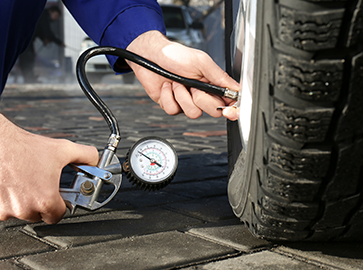
Tire pressure management
Correct tire pressure lowers rolling resistance while enhancing traction control.
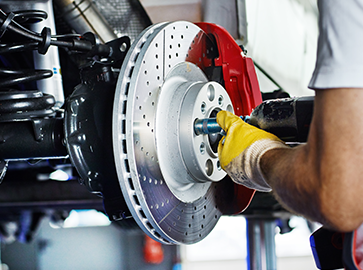
Brake system inspection
Degraded brake pads increase braking distance on low-grip asphalt.

The shift toward electrification
Adopting electric vehicles (EVs) over combustion engines minimizes the carbon footprint. High-capacity battery management systems provide extended autonomy, reducing range anxiety. Fast-charging station networks now support zero-emission mobility for commercial logistics and private transport in metropolitan zones.
Connectivity and autonomous systems
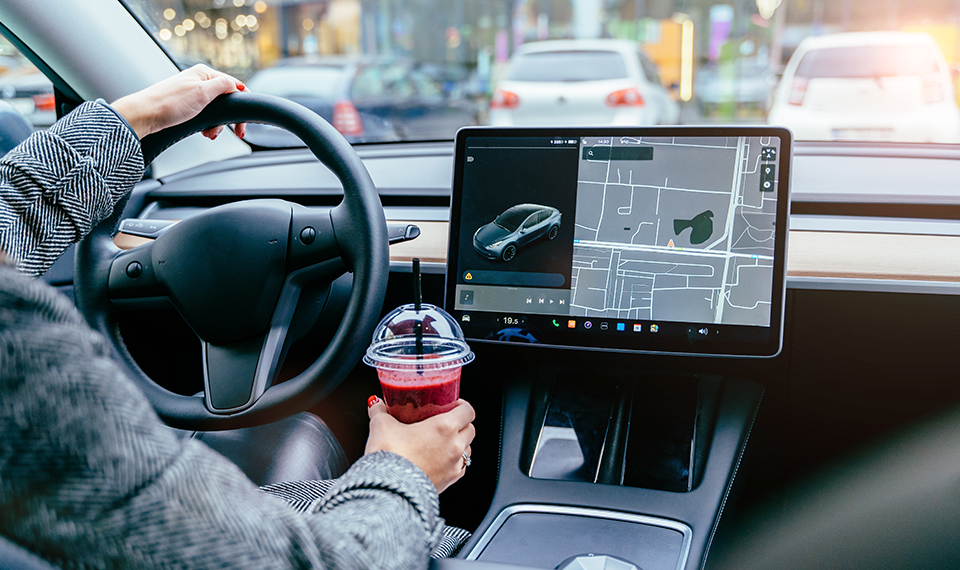
Infotainment interfaces integrate GPS telemetry with predictive traffic algorithms for route optimization. LiDAR sensors and ADAS cameras establish a protective perimeter, enabling semi-autonomous driving features. This cockpit digitization evolves the vehicle interior into a connected mobile workspace.
Advanced protection mechanisms
Active safety technologies prevent collisions, whereas passive security reinforces occupant protection. Chassis designs utilize impact-absorbing crumple zones and advanced airbag restraints to mitigate crash forces effectively.

Adaptive cruise control
Adaptive Cruise Control regulates highway speed via radar to maintain safe vehicle proximity.

Lane keeping assist
Lane Departure Warning applies steering correction if the car drifts across markings.

Blind spot monitoring
Blind Spot Detection signals lateral obstructions, averting hazardous overtaking on multi-lane roads.

Global supply chain efficiency
Supply chain logistics demand integration between automated warehousing, freight carriers, and last-mile distribution. Fleet telematics software optimizes delivery corridors to minimize operating costs. Such synchronization guarantees cross-border transit efficiency for international trade regardless of market volatility.




Outfitting for professional needs
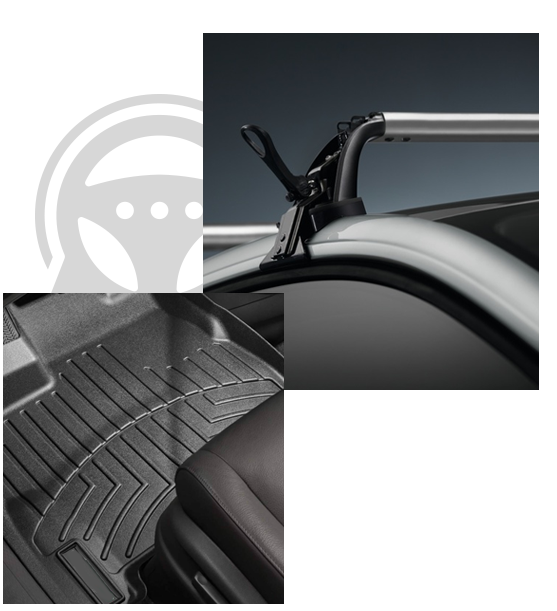
OEM aftermarket accessories convert utility vehicles for commercial fieldwork or off-road expeditions. Heavy-duty equipment ensures operational continuity in rugged terrain or extreme climates. Installing protective liners safeguards the cabin upholstery while modular storage systems maximize cargo capacity.
- Heavy-load roof carriers
- All-weather rubber mats
- 12V portable tire inflators
- LED emergency hazard lights
Reducing carbon footprint through habits
Practicing eco-driving techniques like gradual braking lowers diesel or gasoline consumption. Operators monitoring driving patterns decrease powertrain wear and limit exhaust emissions in Low Emission Zones. Consistent behavioral adjustments generate cumulative ecological advantages.
Multimodal freight solutions
Integrating intermodal transport networks balances transit time against shipping costs. Freight forwarders determine optimal logistics channels regarding cargo volume, deadline urgency, and customs clearance protocols.

Heavy rail transport
Rail freight transport hauls bulk commodities across continental networks with superior energy efficiency per ton-mile.

Maritime cargo shipping
Ocean freight vessels manage global import-export volumes, providing the most cost-effective logic for non-perishable inventory.

Air freight services
Air cargo services ensure express delivery for high-value electronics or pharmaceuticals requiring cold-chain distribution.